5 min read
Life is a WIP
If you’re in your first or second year of computer science, you’ve probably noticed how many directions there are: software engineering, data, security, games, research, and a dozen more you won’t hear about until someone mentions them in passing. I didn’t know how to choose either. I still don’t have it all figured out, but this past year changed how I think about the question, and this first post is about that process.
Starting somewhere else
Before computer science, I studied Immunology and Infection at the University of Alberta, where I learned molecular biology, genetics, and virology. From late 2022 to the end of 2023, I worked in COVID-19 surveillance at Alberta Precision Labs, using qPCR and digital PCR to monitor communities across Alberta. I liked the lab, I liked the people who loved biology as much as I did, and I liked knowing the work fed into public health. Eventually, though, I decided I wanted a different career.
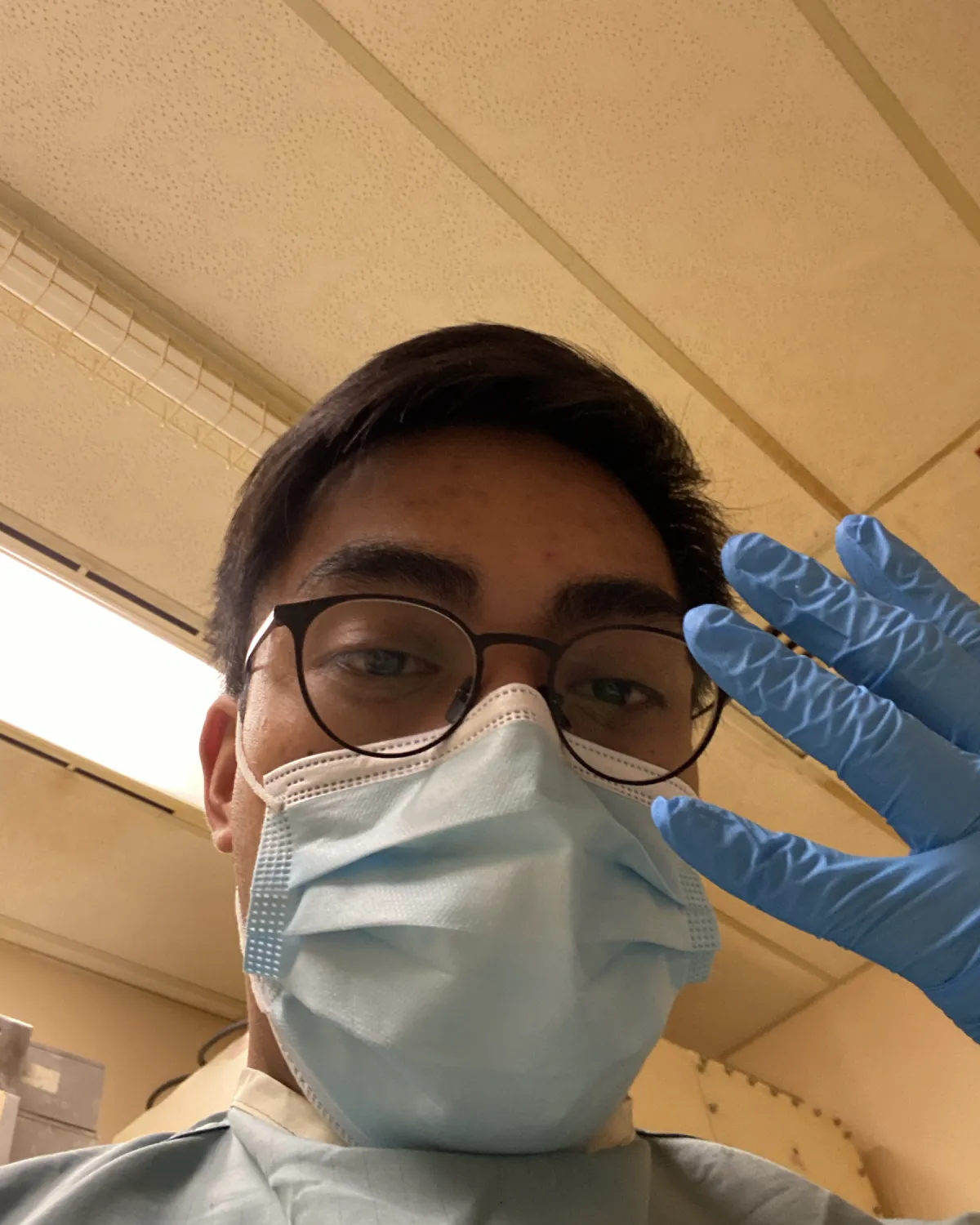
I’d always thought of myself as detail-oriented and good at working through problems, and I remembered enjoying computer science in high school, especially Visual Basic and the robotics unit. That was enough to make me wonder whether those strengths could carry over.
Learning how I learn
While I was still working in the lab, I tried teaching myself with CS50 and The Odin Project. It didn’t stick. Between work, family, and newer interests like fitness, online courses alone didn’t give me the structure I needed. What I took away was something about myself: I do my best work with deadlines and a structured environment.
That made the decision clearer. If I really wanted to change careers, I couldn’t keep doing it on the side for two or three hours a day. I had to commit fully, so I went back to school at MacEwan University.
Not knowing what the options were
I started my degree without a clear idea of what software engineers actually do day to day, and I knew even less about paths like game development or cybersecurity. MacEwan offers different streams, and I picked the general one because it kept my options open.
For a while, my goal was conventional: become a software developer at a big Canadian or American tech company. As recently as May 2026, I was still hoping to land a role at a major US tech company and live in one of its big cities.
What changed
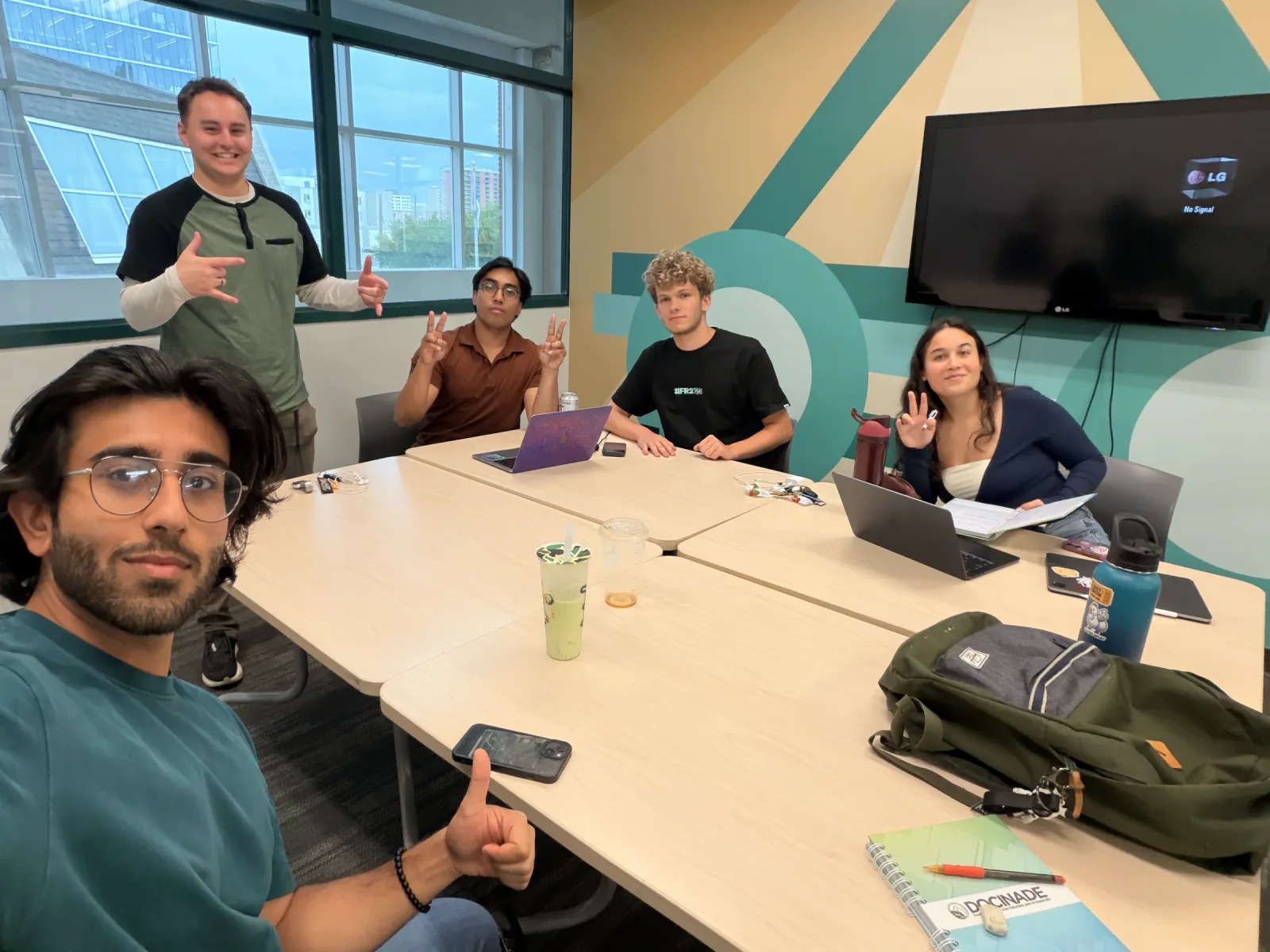
In May, I took a course on technology entrepreneurship, where a team of 4 of us built a startup called imapped, a trip itinerary planner. The building was the part I already knew how to do. What surprised me was everything around it: interviewing people about their problems, testing the product with real users, and watching those conversations change our direction… TWICE. A lot of entrepreneurship, it turns out, is listening before deciding.
The course ended, but the team kept going. Over the last four to six months, I’ve become far more interested in startups than in landing at a big company. Looking back, I’m glad I chose the general stream. If I’d specialized early, I might never have had the experiences that showed me this. This isn’t to say I have closed that door – I am simply following my passions and enjoying the journey.
Why startups
What draws me to startups is the chance to solve a specific problem for specific people. I’m comfortable talking with people, especially in communities I care about, and I want to understand what they’re going through, find the crux of the problem, and work toward something that actually helps. I don’t want to limit myself to one industry. With curiosity, research, and help from the right people, I think I can learn enough about a field to help build a solution in it. My biology background gives me a different lens, and I could see myself working on a biotech startup someday, but I’m not tied to biotech, fintech, or any single field.
Technology for good
Giving back has always mattered to me. During my first degree, I volunteered at a continuing care centre and with student groups that got younger kids curious about science. I see computer science, and startups especially, as another way to do that.
This summer made it concrete. My internship was at a nonprofit that supports rural water co-operatives across Alberta, and much of my work was helping move their records off an aging desktop database. Seeing a small organization gain time and confidence from work I’d done taught me more about what technology is actually for than any class has. I like starting small: find a distinct group of people with a real problem, and figure out whether an idea can help them. If it works, it can grow from there, to a city, a province, or further.
A year of momentum
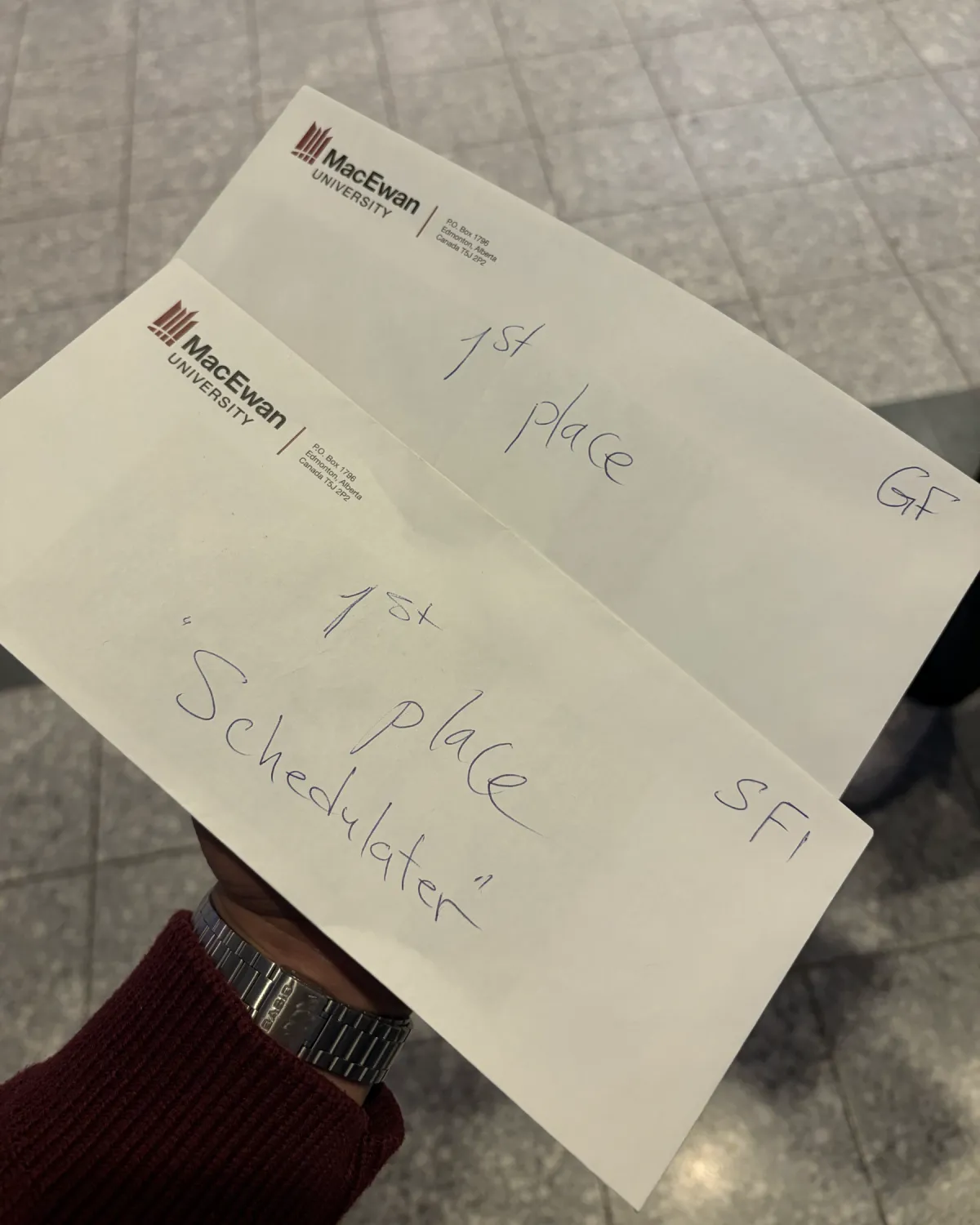
A lot happened in a short stretch. In April, my team won first place in MacEwan’s IEEE-sponsored CMPT 395 Software Engineering Competition with our project, Schedulater. In May, I started that internship as a database administrator while taking the startup course. A research paper my team wrote was accepted to IEEE SmartEdu 2026, and I presented it in September. By the end of the summer, I’d also picked up AI training work in data annotation for a Toronto company, and the nonprofit brought me back as a junior database developer starting in September.
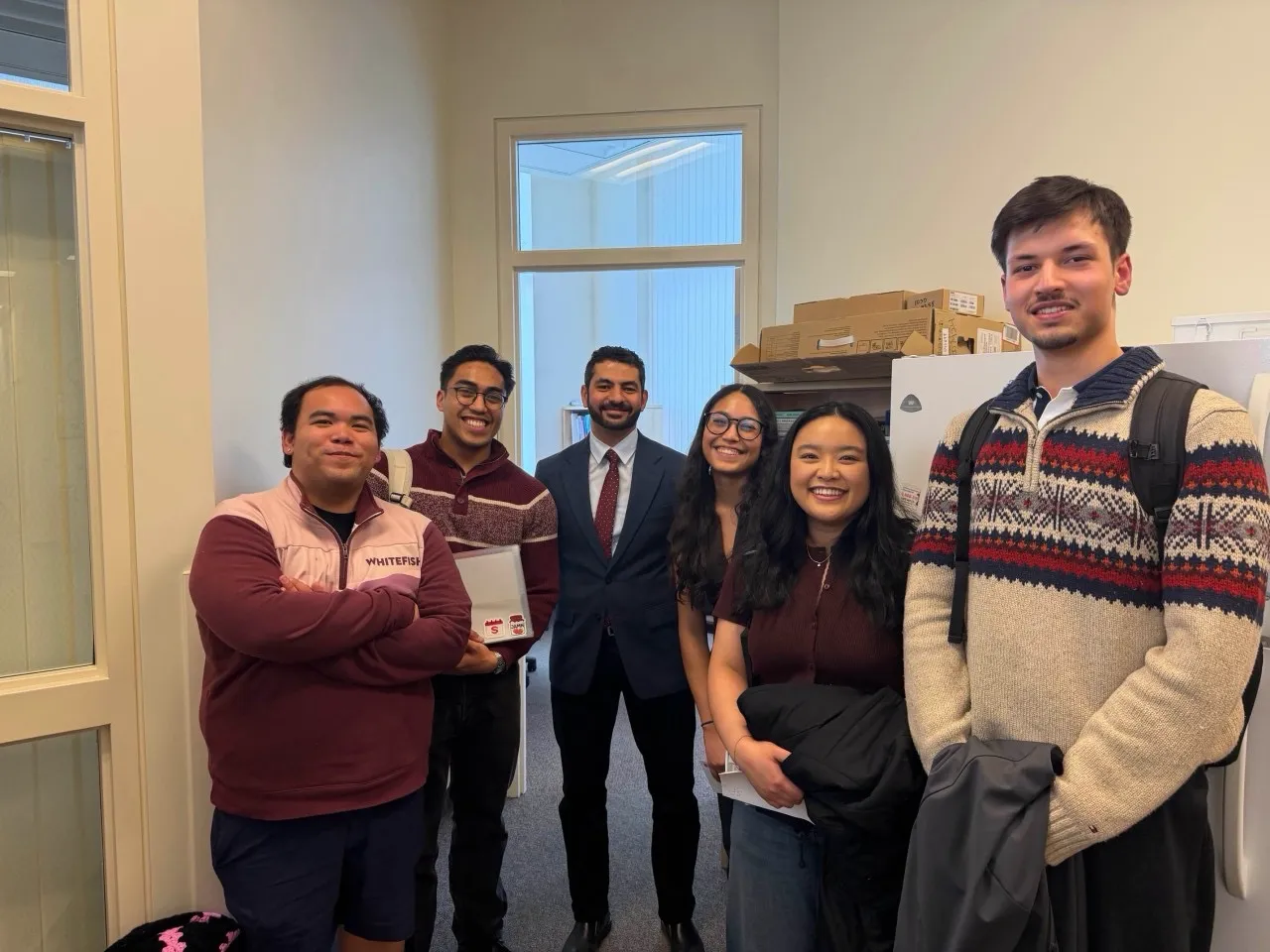
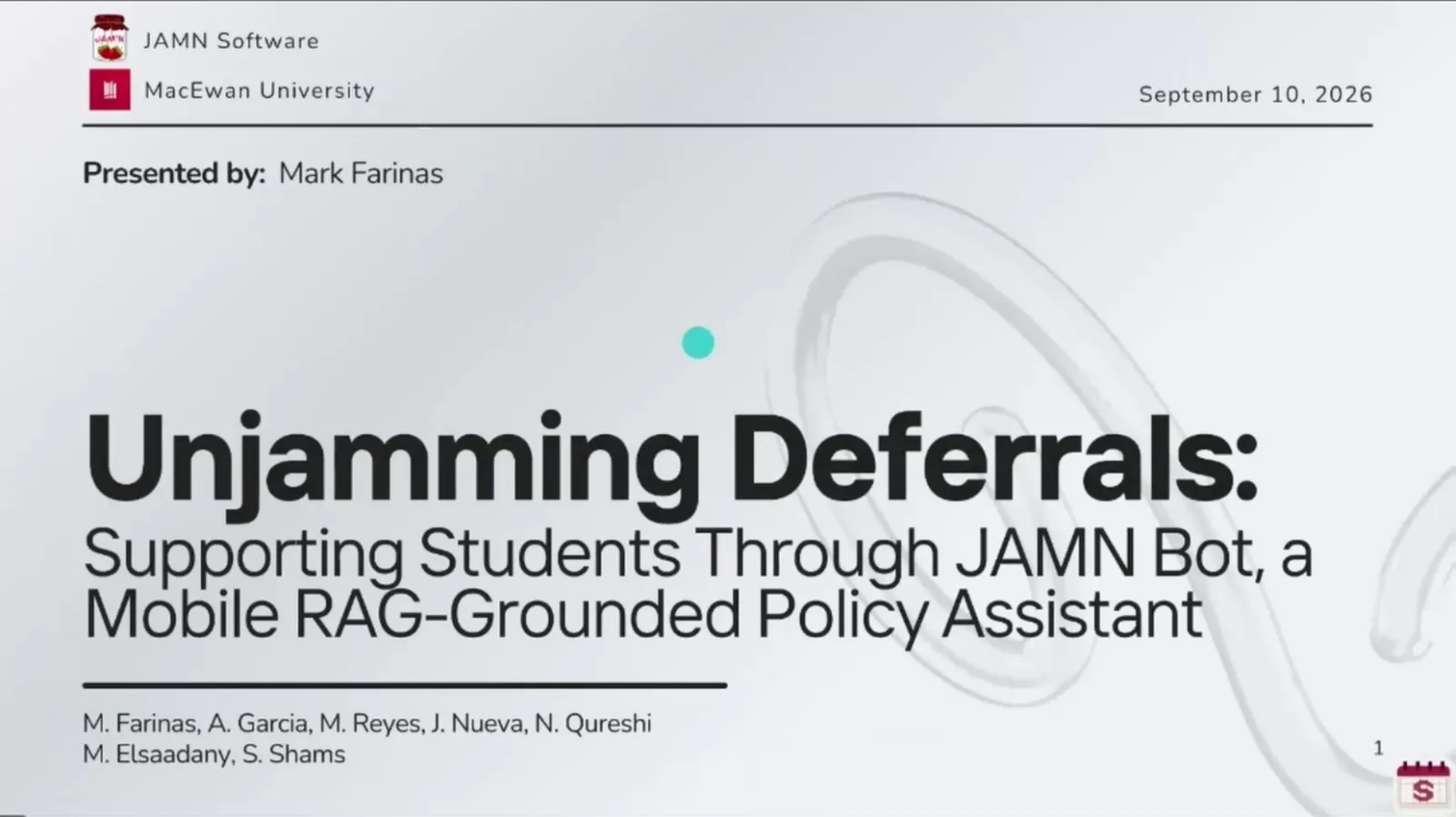
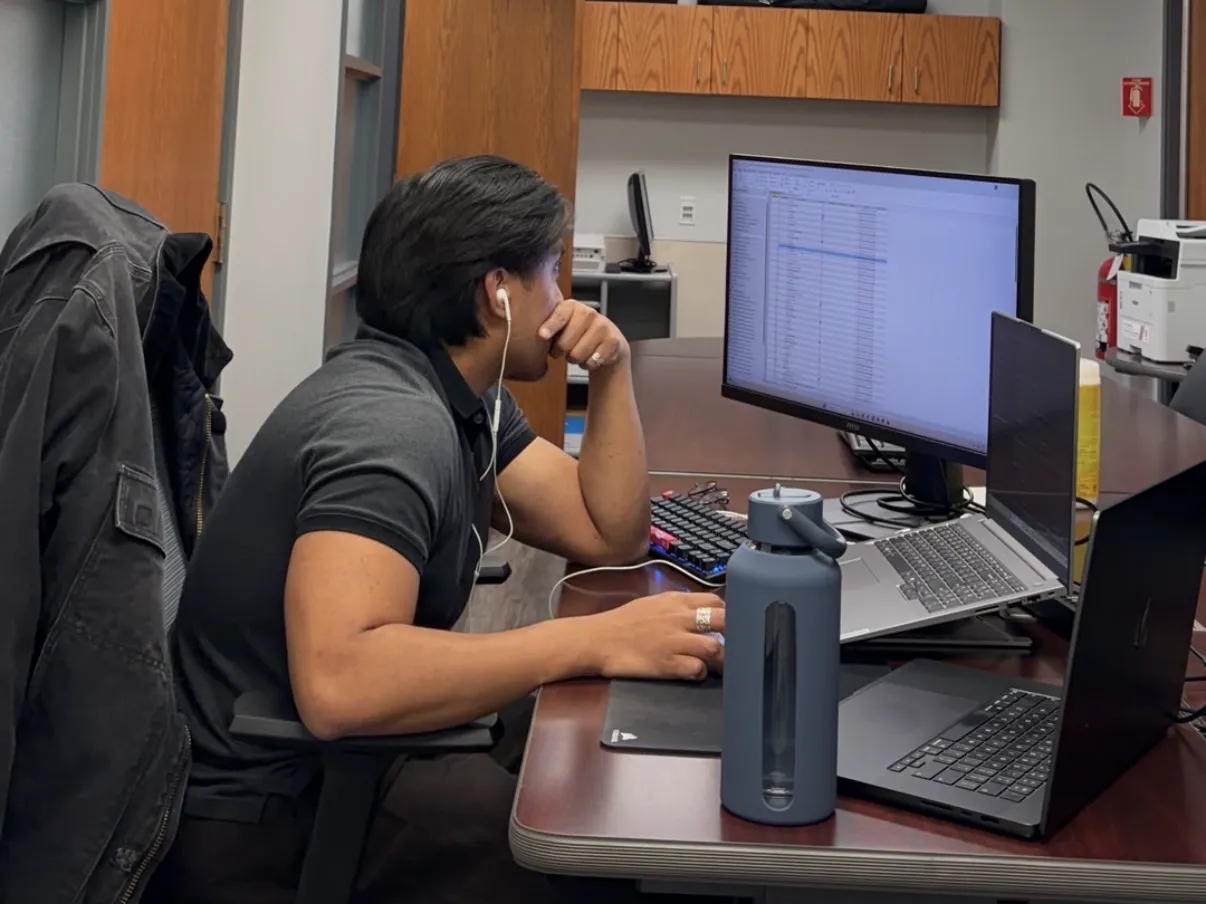
So right now I’m juggling school, two jobs, and a couple of startup projects, which I’ll write about once there’s more to share. It’s the most I’ve ever had on my plate. I’m grateful for all of it and want to get as much out of it as I can, while remembering that this isn’t the destination. I still have a lot to learn.
Imposter syndrome, and working anyway
I still deal with a lot of imposter syndrome, and there’s plenty I don’t know. My answer to that is effort. I want to work harder than anyone else in the room, and my philosophy is to work so hard that it becomes difficult not to succeed. I’ll stumble, some projects won’t work out, and I’ll fail at things. I still believe determination and steady effort will get me where I want to go, and I want to take ownership of where my life is heading.
If you’re still choosing
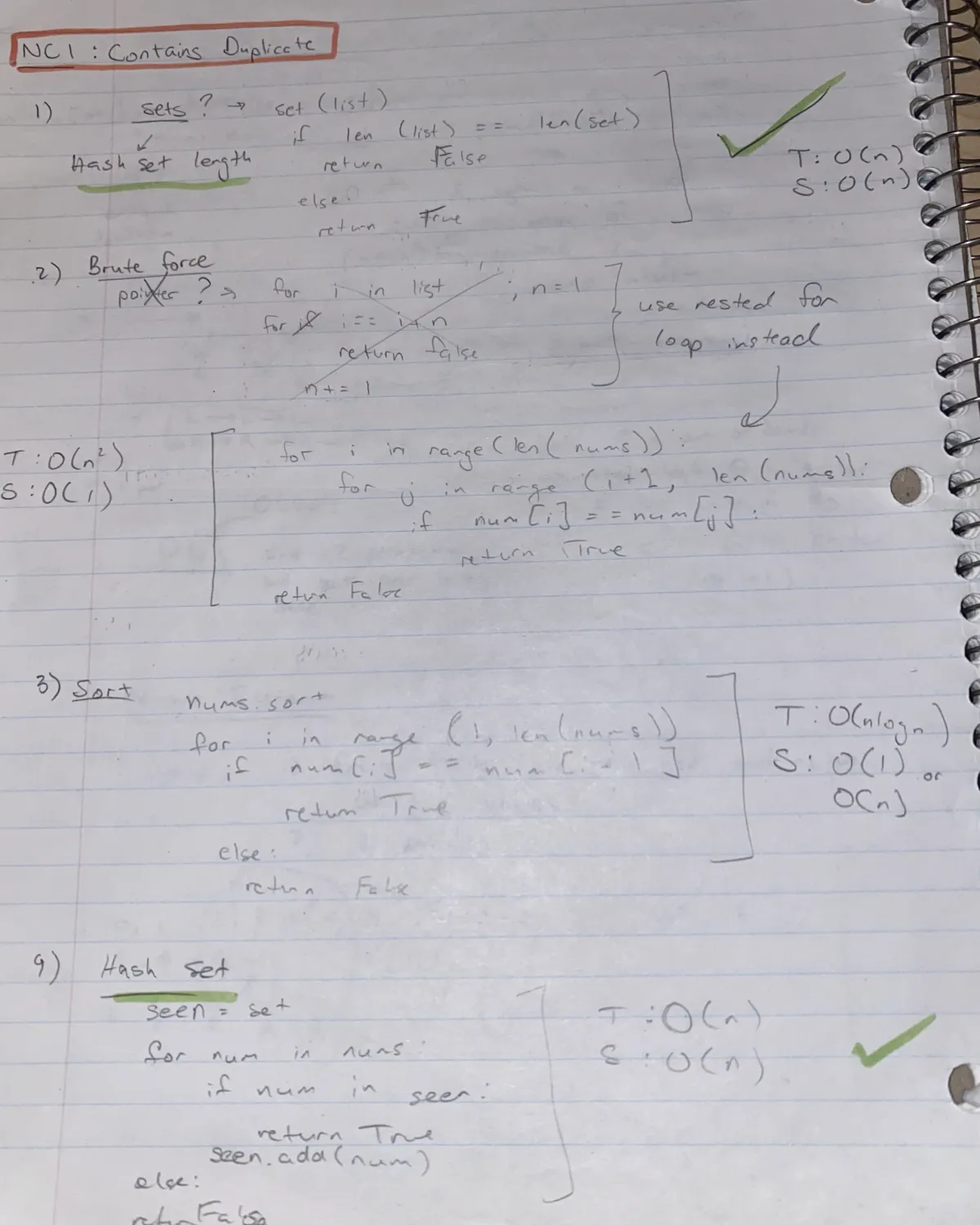
If you’re early in your degree and feel like everyone else already knows what they want: I didn’t either, and I still don’t fully. What helped me was keeping my options open, paying attention to which work energized me, and saying yes to things outside the usual path. I’m still working out what the next six months to two years look like, and I’ll keep writing about it here as I go.